London Hair Extensions
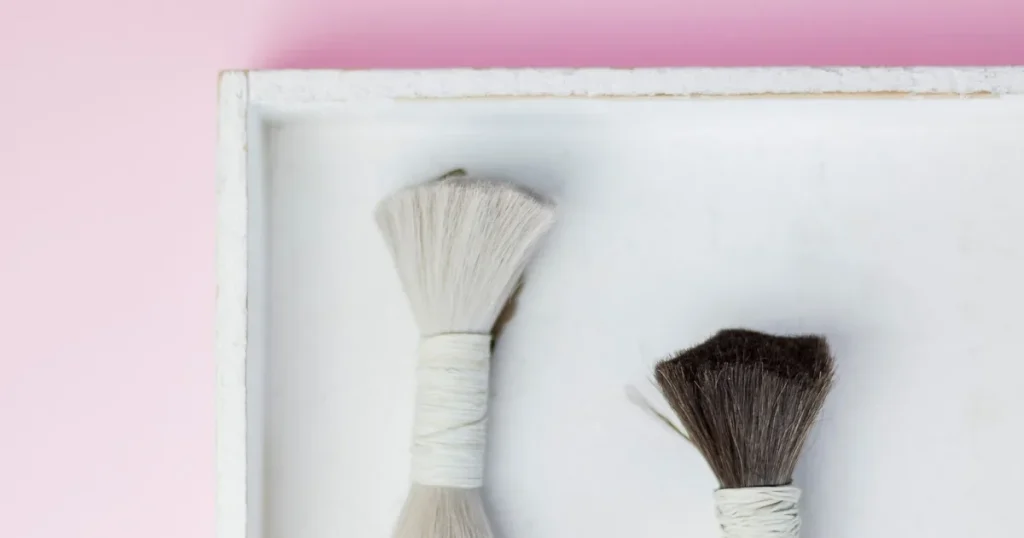
The main types of hair extensions are clip-ins, tape-ins, wefts, micro rings, nano rings and flat tips (also called fusion or keratin). Clip-ins are temporary and come out each night. The other five are fitted by a stylist and refitted every 6-8 weeks, except flat tips, which can stay in for up to 3 months.
This guide explains how each type is attached, who it suits and what to ask before you choose. It is built from UK supplier and salon sources, and it feeds into the methods pages and the matcher on our home page.
Types of hair extensions at a glance
| Type | Attachment | Refit | Best suited to |
|---|---|---|---|
| Clip-in | Clips you fit yourself | Removed each evening | Occasions and trial runs |
| Tape-in | Wefts about 4cm wide taped either side of a slice of your hair | 6-8 weeks | Fine to thick hair worn down |
| Weft (sew-in) | A strip of hair sewn, glued or clamped in | 6-8 weeks | Medium to thick hair |
| Micro ring (I-tip) | Strand clamped in a small ring; no glue or heat | 6-8 weeks | Most hair types except extremely fine |
| Nano ring | The same system, with a ring about three times smaller | 6-8 weeks | Fine or thinning hair |
| Flat tip (fusion) | Keratin tip melted on with a heated tool | Up to 3 months | People who want the fewest salon visits |
What are temporary hair extensions?
Temporary extensions are the ones you fit and remove yourself, and clip-ins are the main example. They need no salon refit and are a low-commitment way to try length or volume. A London salon quoted by HELLO! suggests wearing clip-ins on average three to four times a week and taking them out each evening.
Clip-ins cost nothing in maintenance appointments, but they suit occasional wear more than daily wear. If you are unsure whether you like extensions at all, they are a sensible first step before a fitted method.
What are permanent (fitted) hair extensions?
Permanent extensions are attached to your own hair by a stylist and stay in for weeks or months before being removed and refitted. Cliphair, a UK supplier, describes them as methods that can be glued in, clamped in with rings, sewn in or fused with heat. “Permanent” is a trade label, not a promise: every method needs maintenance.
Tape-in extensions
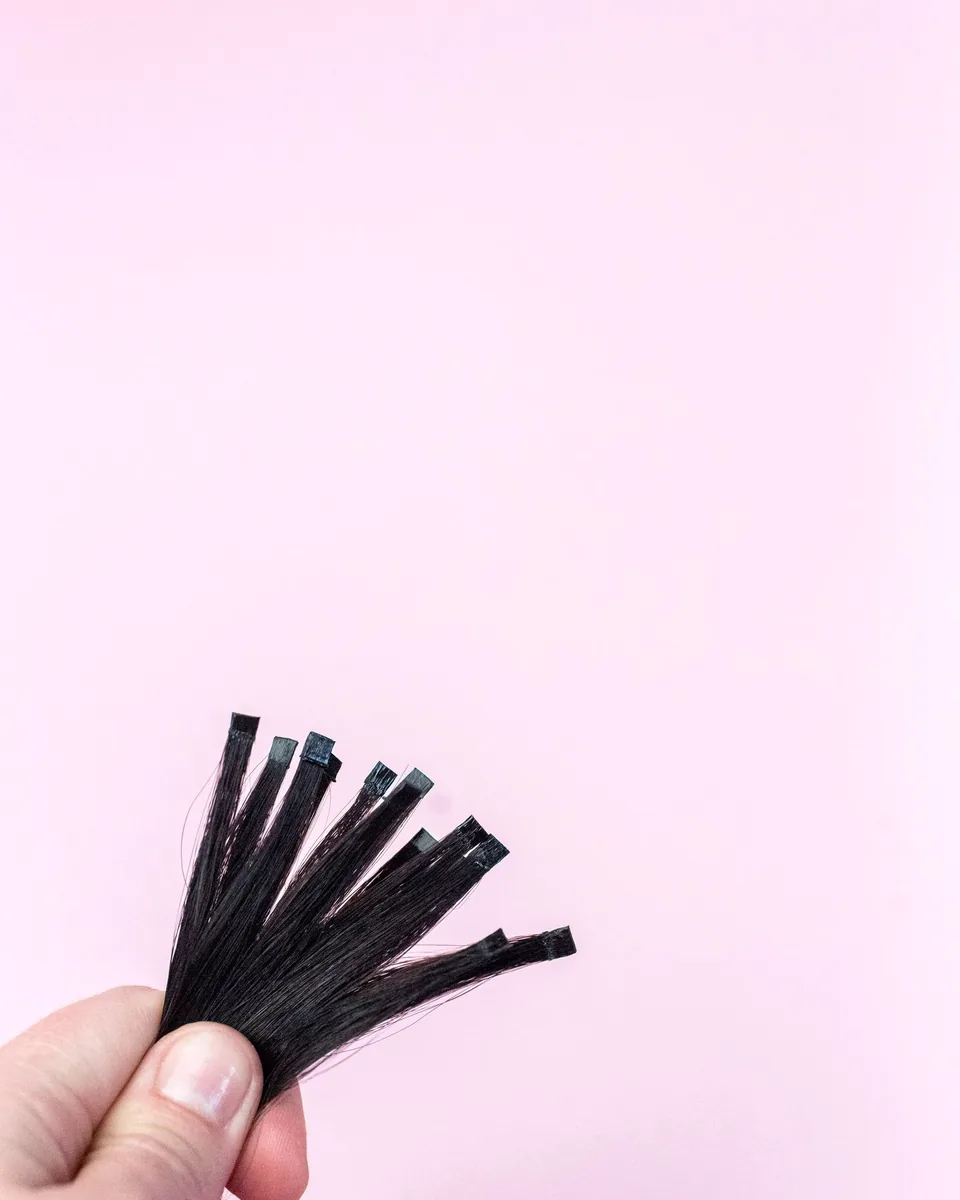
Tape-ins are thin wefts, about 4cm wide, topped with medical-grade tape. A slice of your hair is sandwiched between two tapes, so they lie flat and suit fine to thick hair. The sides of the wefts can show when hair is tied back, so they suit people who mostly wear their hair down.
Weft and sew-in extensions
A weft is a strip of hair that can be sewn, glued or clamped in. It is the fastest route to volume and length on thick hair, and maintenance is quick, but it needs some thickness to hide the seam. It is a weaker match for very fine hair.
Micro ring (I-tip) extensions
Each strand is threaded through a small ring with a bit of your hair and clamped shut, with no glue or heat. Cliphair says a first full head takes around 4 hours, with push-up appointments every 6-8 weeks that take about 2 hours. They suit almost any hair type apart from extremely fine hair, and the hair can be reused while it is in good condition.
Nano ring extensions
Nano rings use a bead about three times smaller, making them the most discreet type. They are a good match for very thin or fine hair and for hair worn up. A full head takes around 4-5 hours, and they tend to cost more than other types because of the intricate fitting.
Flat tip (fusion, K-tip) extensions
Flat tips use a heated tool to melt a keratin tip onto a small section of your hair. They need attention least often, up to 3 months, which suits people who travel a lot. Heat is the reason technique matters: supplier guidance says that done correctly by a professional it should not damage your own hair.
Which type of hair extension is best for fine hair?
For fine or thin hair, suppliers point to nano rings and tape-ins because they sit discreetly and add little weight. Our tape-in vs weft comparison explains why wefts are a weaker match for very fine hair.
The HELLO! salon adds that you can reduce weight by choosing a half head instead of a full head, and that clients with hair loss are advised to wait until the hair is stable. A consultation is the safest way to decide.
Which type suits thick hair or an active lifestyle?
Thick hair has the density to hide a weft seam and make use of volume, so wefts and micro rings are the usual suggestions. For hair worn up or for workouts, small ring methods stay hidden near the hairline, and Cliphair says nano bonds are the most secure for tight hairstyles.
If you can only manage a few salon visits, flat tips need the fewest. If you cannot commit at all, clip-ins are the only fully reversible choice.
Does human hair or synthetic hair matter?
Yes. The HELLO! salon says human hair looks and feels best, lasts longer and behaves like your own hair, so it is easier to wash, style and maintain, and you can use heat tools on it. Synthetic hair is usually cheaper but cannot be heat-styled in the same way. Our cost guide explains how hair quality changes the price.
Do hair extensions damage your hair?
They can if they pull for too long. The British Association of Dermatologists lists weaves and hair extensions among the causes of traction alopecia, hair loss caused by constant pulling, and says early cases can regrow once tension is removed. Its patient information lists itching, soreness, flaking and thinning at the front, sides or back of the scalp as signs to act on.
Keeping every refit appointment matters, because as your hair grows the extensions move away from the root. Ask your stylist to loosen or remove them if you notice any of the signs, and seek medical advice. This is general information, not medical advice.
Frequently Asked Questions
The main types are clip-in, tape-in, weft, micro ring, nano ring and flat tip. Clip-ins are temporary and self-fitted. The others are fitted by a stylist and refitted every 6-8 weeks, with flat tips lasting up to 3 months.
Discreet methods such as nano rings and tapes lie close to the head and are described as hard to see, but the most natural result also depends on colour blending and a good match to your hair. Ask your stylist to show the method on similar hair.
No method comes without some risk. Gentle systems use no glue or heat, such as micro and nano rings, but any extension can pull on the scalp if it is too heavy, too tight or left in too long. Keep refits and ask for the lightest amount that works.
Fitted methods are refitted every 6-8 weeks, and flat tips can stay in for up to 3 months. Supplier sources say the hair itself can be reused for months with good care, depending on the quality of the hair and the method used, so ask your stylist.
Yes. Clip-ins let you try length and volume without a salon visit, and a consultation lets a stylist show how fitted methods would look and feel on your own hair before you book anything, so you can ask questions first.
Next steps
Narrow the list to two types, then take them to a consultation. You can find a salon by borough and method, or use the London pages to see where specialists are. For shorter answers, see the blog.
How we prepared this guide: we compared a supplier guide from Cliphair, an interview with a London salon in HELLO! (updated July 2021) and patient information from the British Association of Dermatologists, all read on 15 November 2026. Timings are typical figures from those sources, not promises. The photographs are stock images from Pexels.
Ready to compare salons? Browse by London borough. Prime and Takeover placements are paid; guides are independent.